Help us understand what your young person needs to enjoy camp.
If your young person may need support to take part, contact the camp team and your Group Leader as early as you can. Tell us what might make camp difficult and what usually helps. We’ll discuss this with you and your young person, consider reasonable adjustments and check arrangements with the venue and activity teams where needed. We’ll explain what we can put in place and, if a requested adjustment isn’t possible, why and what other options we considered. You can contact us again if needs change or become known later.
A diagnosis is not needed to ask for help. A brief message asking us to get in touch is enough to start. Please keep medical reports and detailed health information for the secure route agreed with the team.
Tell us what helps
Useful information includes:
Medical needs, allergies, medication and dietary requirements.
Learning, communication, sensory, emotional or behavioural support needs.
Mobility, stairs, personal care, sleeping or changing concerns.
Religious needs and any adjustments you would like us to consider.
What helps at home or at Scouts, and what your young person would like us to know.
Sharing a request starts a conversation. Arrangements need to be discussed and confirmed for the individual young person.
An active military base
What the setting means
Camp takes place on an operational Naval Base. Facilities are shared with serving personnel, and base rules, access arrangements and daily routines limit what we can change.
Daily life includes moving around the base as a division, marching to meals, stairs, busy shared spaces and organising kit for the day. Please talk to us early about any part of this that may be difficult.
We want families to have a clear picture of camp so that support can be planned together before arrival.
Facilities and support we can check with you
Wheelchair access and mobility
Some areas have stairs and distances between activities can be significant. Tell us about the routes, facilities and support your young person needs. We’ll check access to the relevant areas, including toilets, sleeping and activity spaces, and consider alternatives where there are barriers.
Washing and changing
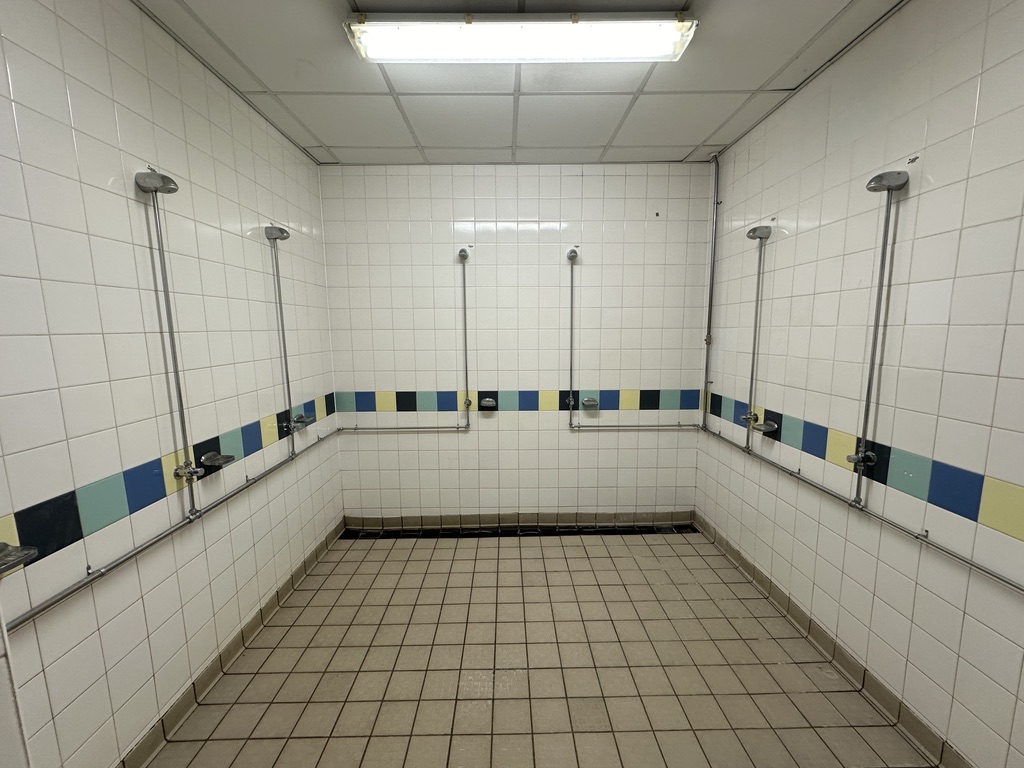
The standard facilities shown below are communal. If your young person needs privacy or accessible facilities, tell us what would work for them. We’ll check what space or timing options can be arranged with the venue and explain what is available.
Individual adult support
Camp volunteers have limited capacity for dedicated one-to-one support. We’ll look at when support is needed, what we can arrange and whether an adult from your group could help as part of an agreed plan. Any arrangement must meet Scouts safeguarding and safety requirements.
Questions from parents & carers
How can we help your young person take part?
Camp is large, busy and noisy. Operational requirements on the Naval Base frequently mean last-minute changes to plans, and we cannot always give advance warning. Please use the information and photographs here to consider the experience with your young person and Group Leader.
These examples show what we can explore together. Please speak to us about any barriers to taking part. The camp team will follow up on the options and let you know what can be agreed for your young person.
Agree and review the plan together. We’ll confirm the agreed adjustments and who will provide them. If circumstances change before or during camp, contact the camp team so we can review the plan.
Know what to expect
A closer look at daily life
Use these photos to talk through camp before you arrive.
Queues, shared facilities and lots of people in one area are part of the experience. The rooms in these photographs are empty; at camp they may be used by many people at the same time.
Galley & dining
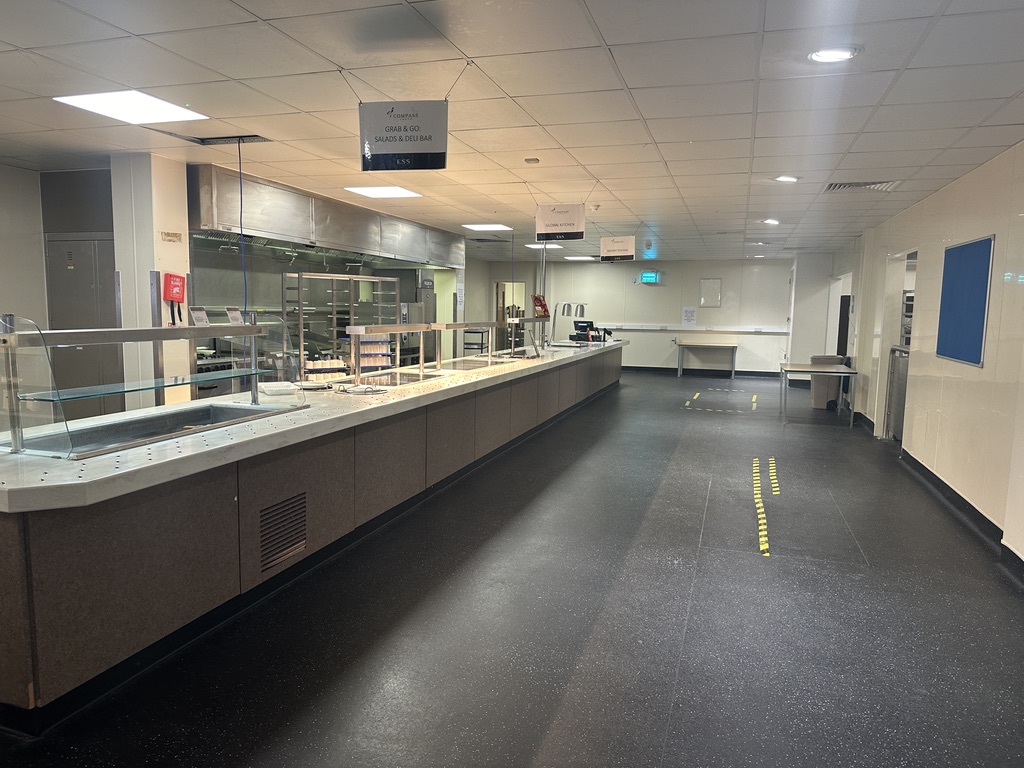
Collecting a meal
Young people queue, move along the serving counter and collect their food before finding a seat.
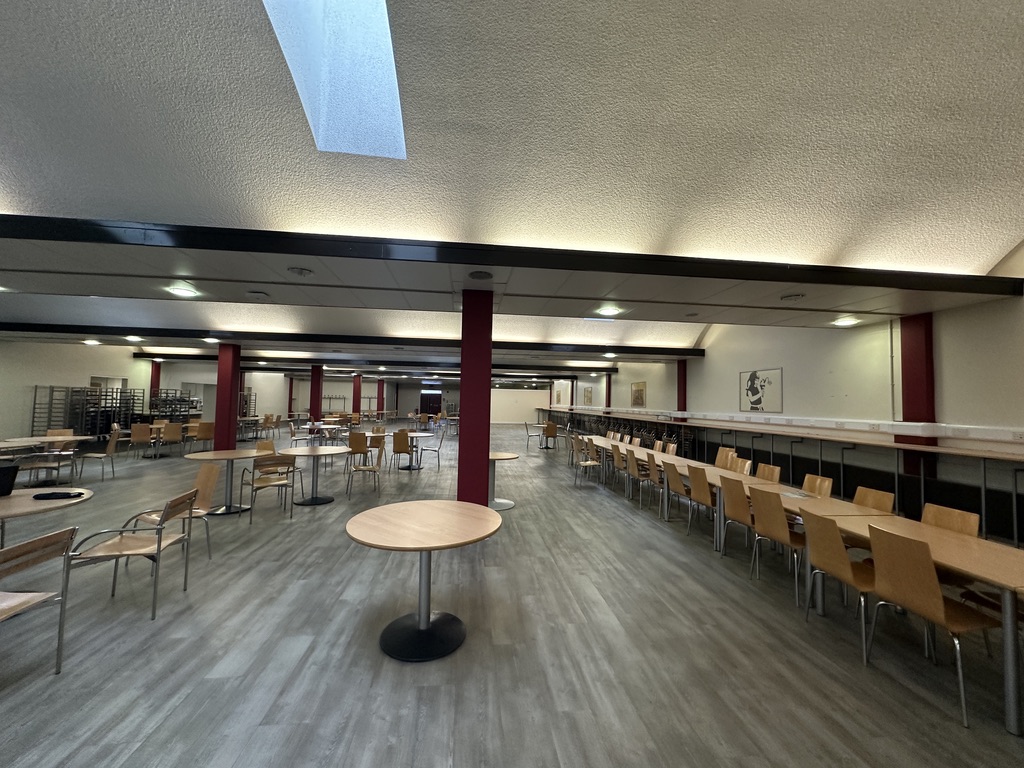
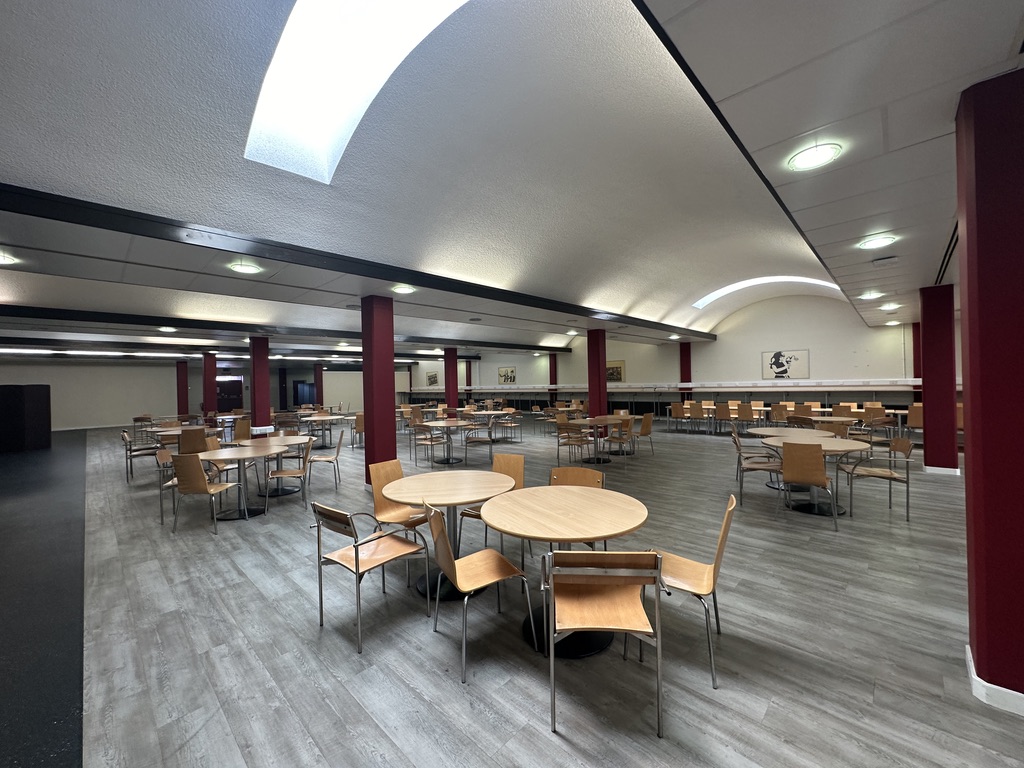
Shared dining space
The dining area is shared with other people and can be busy and noisy at meal times.
A larger view of the galley
This wider view helps young people picture the size and layout of the room before arrival.
Showers, toilets & changing
Open communal showers
Showers are in an open communal space. Speak to the camp team if your young person needs a private washing arrangement.
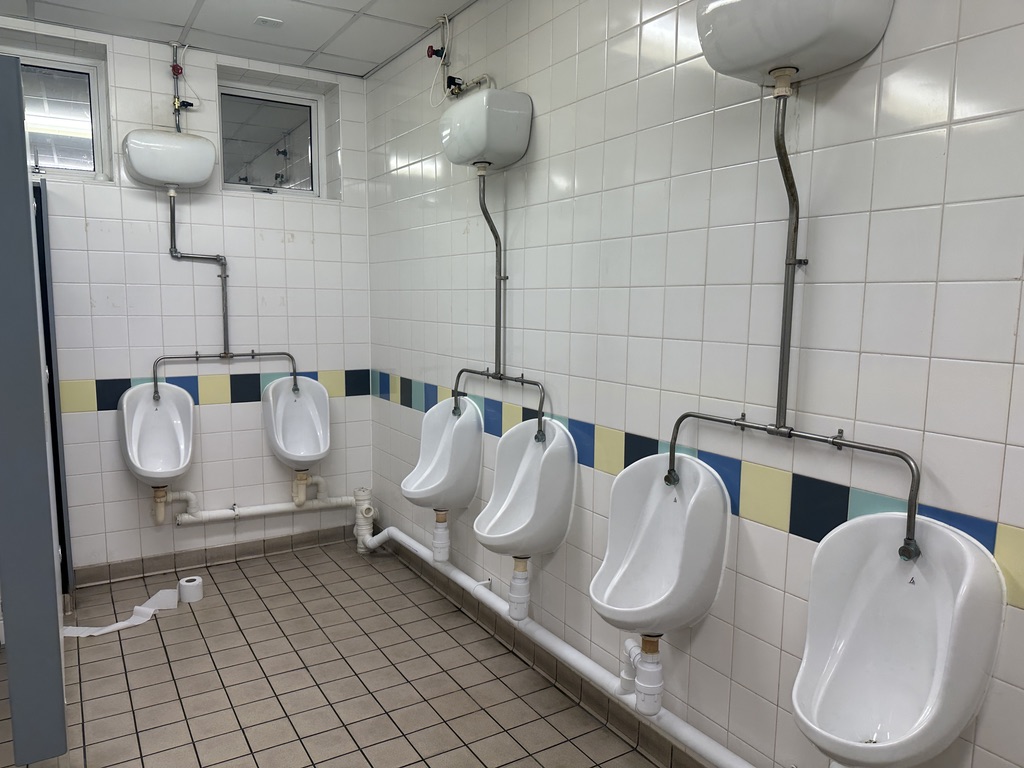
Shared toilet area
Some toilet areas include a shared urinal area.
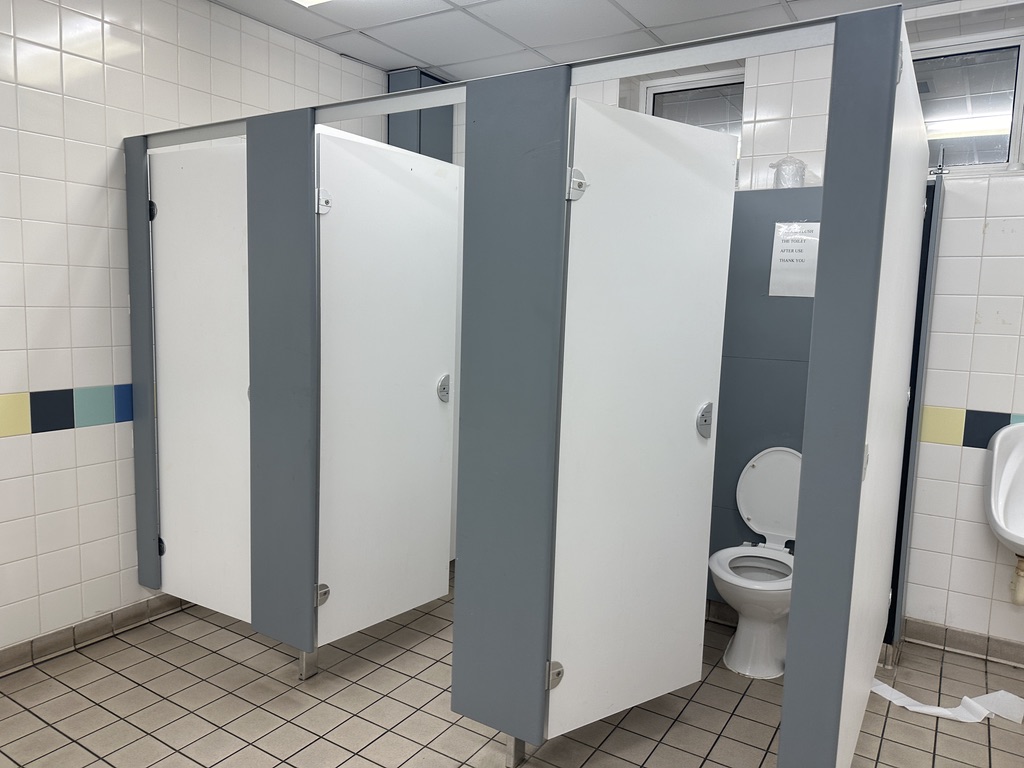
Toilet cubicles
The facilities pictured also include individual toilet cubicles.
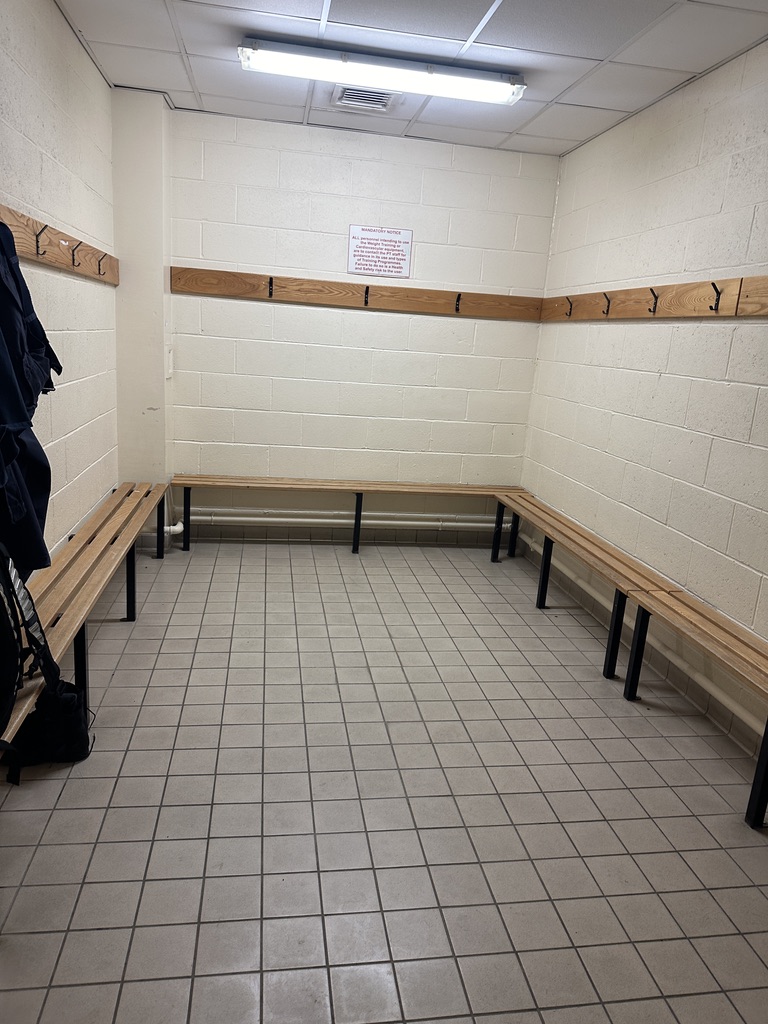
Communal changing
Changing areas have shared benches and hooks. Please discuss any support needs before camp.
Living alongside others
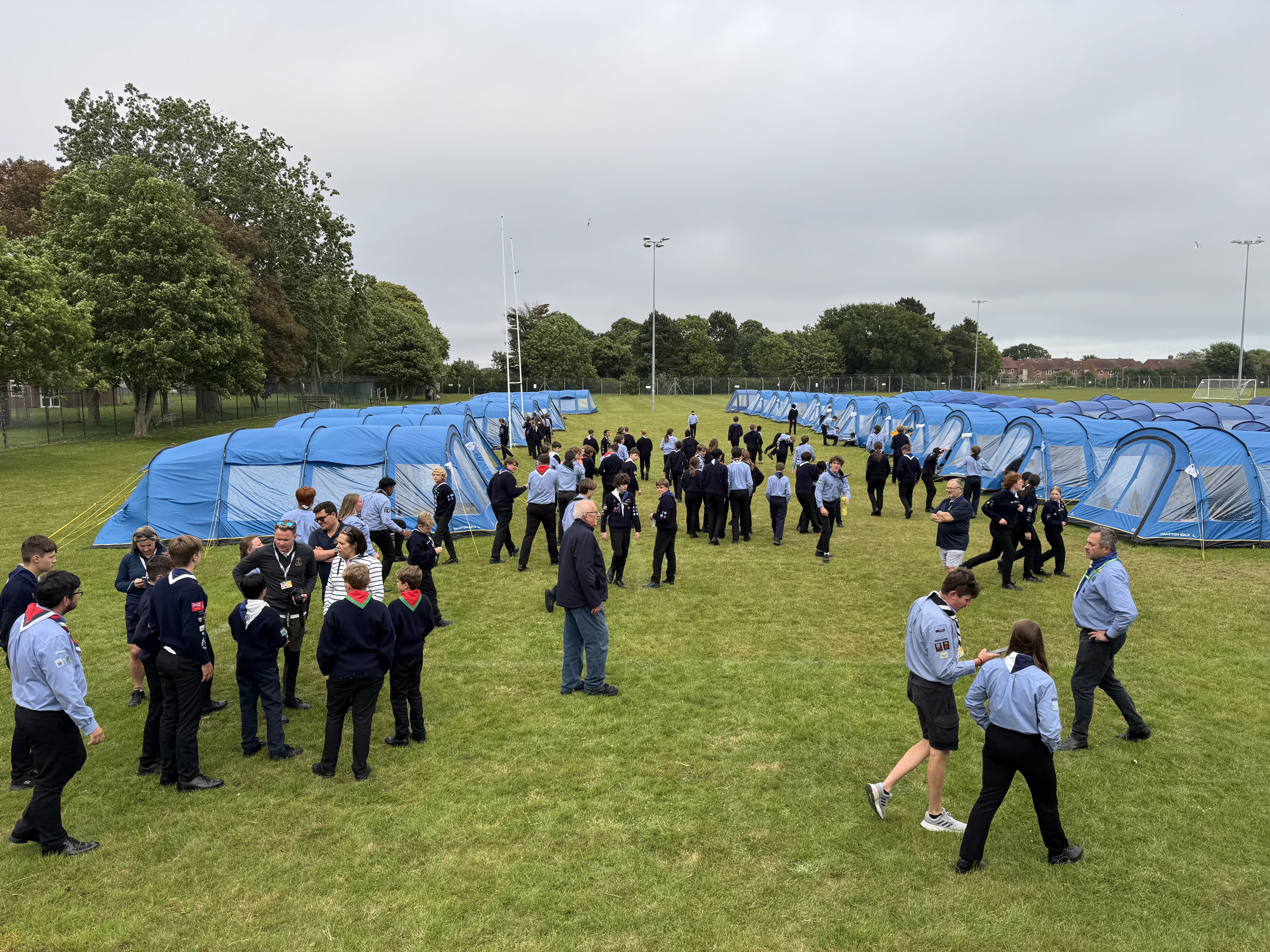
Lots of people, shared routines
Camp brings young people and volunteers together in divisions, dining areas, activity groups and the tented village. There can be queues, conversations, movement and noise around you.
Talk through how your young person experiences busy places and let us know what helps them manage. Any support arrangements need to be discussed before camp.
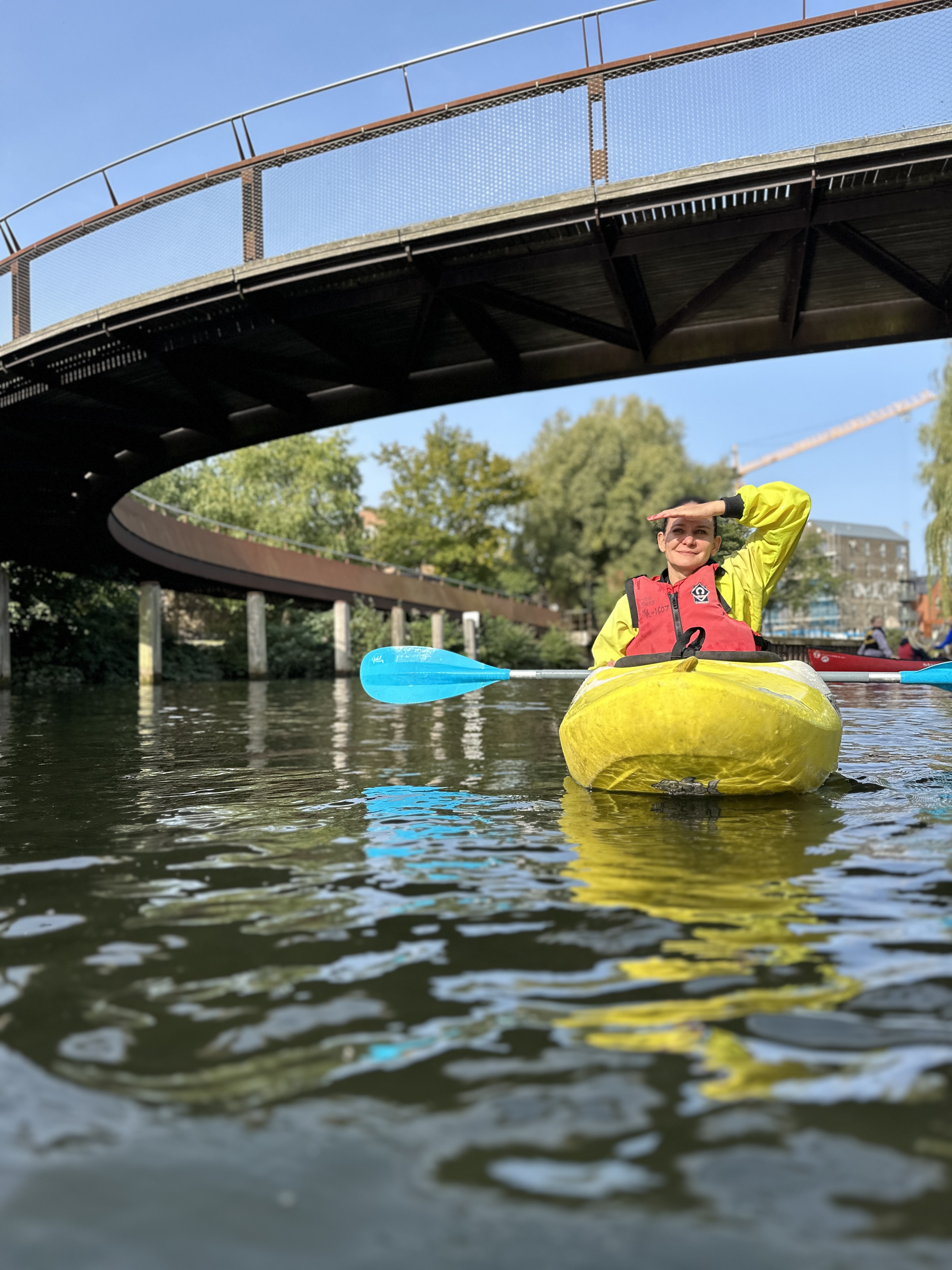
Photo from a previous camp.
Facilities photos supplied by the camp team. Final allocations and routines will be confirmed before camp. Select a facilities photo to view it in full.